I make music things that know their place. The people using them come first.
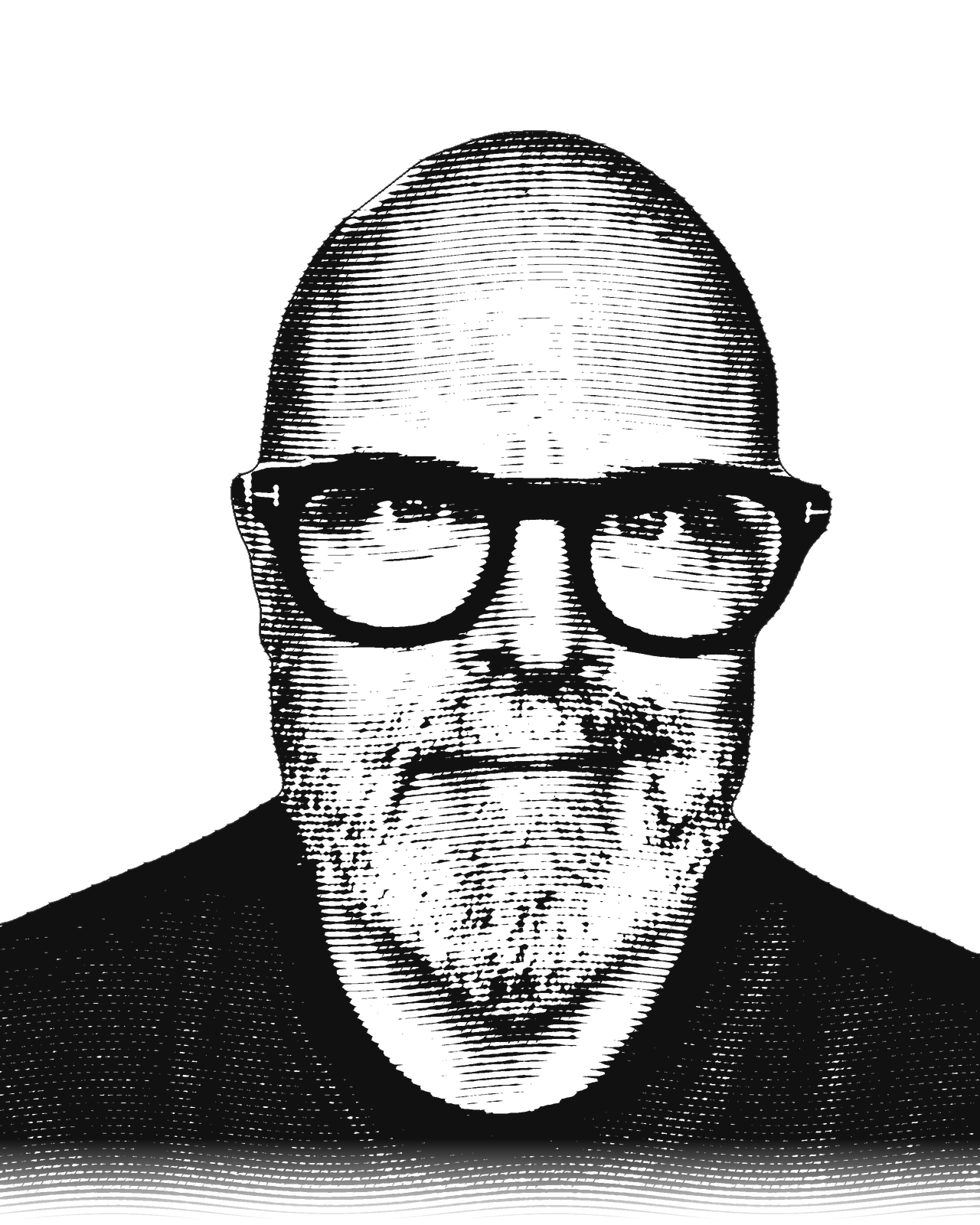
I’m a designer, not an engineer. I wanted soundtracks for our meals we could manage without distraction, so I built a simple remote just for the music volume. I wanted my old stereo to sound the way I remembered, so I wrote software to recreate it. Each does its one job, then gets out of the way.
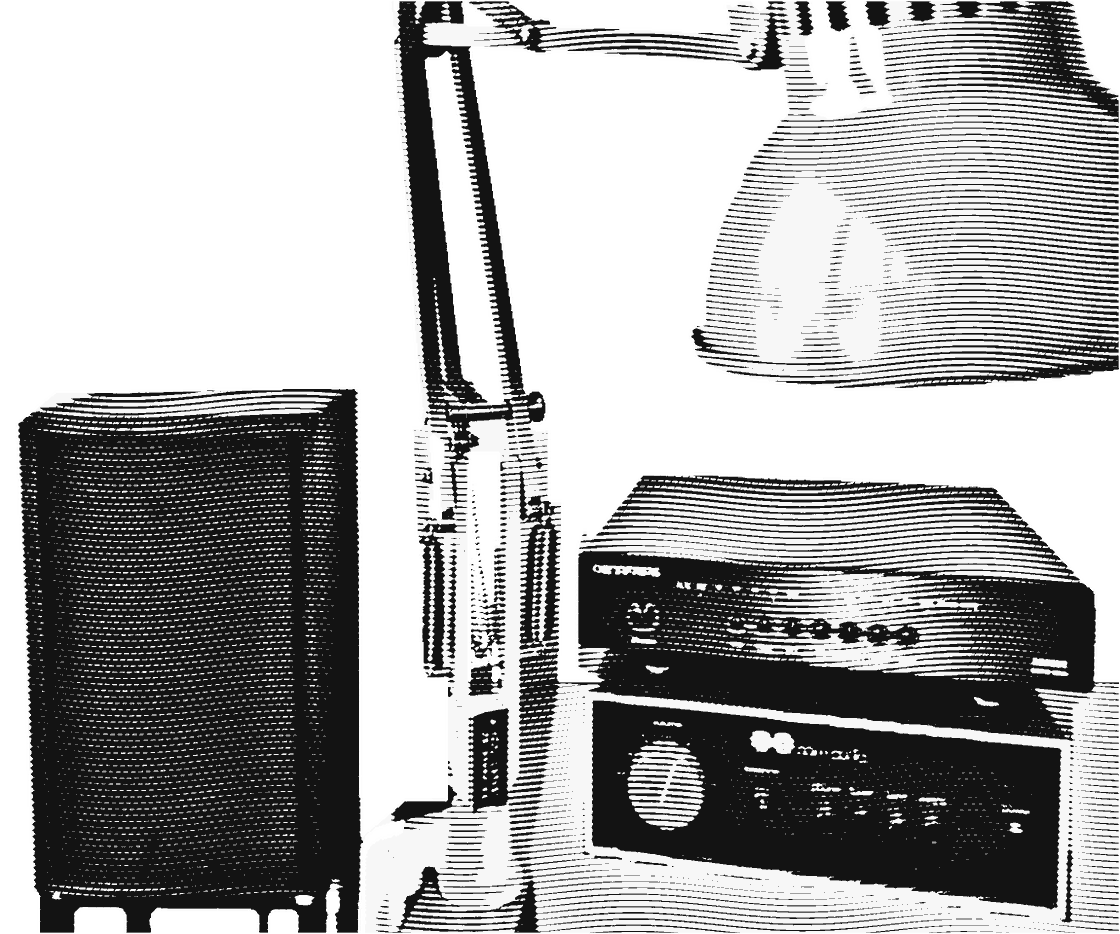
That soundtrack came from a bookshelf stereo system I put together in my twenties. I loved its sound for decades. After 30 years it developed a hum. Right before the pandemic. I thought about throwing it out, but instead I took it apart and put the loudspeakers and amplifier in a box and tucked it away. It had created the soundtrack for so many meaningful events in our lives, it felt wrong to dispose of it.
I used smart speakers after that. Until late 2025, when I got fed up with their sound.
Losing the conversation thread during dinner
One of that old hi‑fi’s jobs was to play the soundtrack to our meals from the dining room bookshelves.
We always play music at dinner. My partner experiences misophonia: the sound of crunching distracts and upsets her. Music covers the crunch.
But sometimes it covered the conversation too, so one of us would reach for a phone to turn it down on the nearby smart speaker. That could break our conversation flow as much as a loud crunch of toast. And once a phone is in your hand, all bets are off to find that thread again, often right when it was getting interesting.
We needed a simple way to change the volume without losing our focus on each other. So I built the Anchi Volume Remote. Just for us at first. It worked. We didn’t have to look down.
Getting the sound back
I listened to music constantly while I tested and refined the remote. Using the same smart speakers we had all over the house. The kind that respond to, “Hey Google,” or “Hey Siri.” 🤨
Listening so much, I began to miss the beautiful crisp music I had enjoyed all those years that came out of my old analog hifi.
I Googled the model names and discovered that not only were people still using them out there, but that they had developed a reputation for having a uniquely musical sound. Something I knew and had taken for granted all those years.
I got the box out of storage
That led me to restore my Naim Nait amplifier and Linn Kan loudspeakers from the 1980s. I found out that the amazing people at Focal Naim still stand behind their products. I shipped my tired Nait 1 to them, and they replaced all the capacitors and any other components that needed refreshing for under $400.
Once I got them plugged back together and running, the hum was completely gone! But they didn’t sound like I remembered with the music coming from my Mac. And my turntable was long gone. And my albums.
Adding more technology didn’t help
Following advice on the internet, I treated the room first. Then tried to add more technology.
I stuffed laundry bags with Rockwool to make bass traps. I measured my studio’s acoustic profile, and corrected the sound by sending it through equalizers, time‑domain correction, and DSPs.
Analog to the rescue
I thought I was getting there, until my friend Jamal came over to help me diagnose the issue. He hooked up his favorite tube DAC, a Line Magnetic LM‑502CA made in 2014. My old kit instantly became musical again. The equipment went away and the experience took its place like I remembered it. Analog to the rescue?
After a lot of research, I bought a Denafrips Enyo 15th R‑2R DAC based on the recent positive review from Steve Guttenberg.
The difference was astounding to me. And when I asked friends and family (begged them?) to sit a blind A/B test, their untrained ears easily heard it too: songs they knew sounded more beautiful, more detailed, more musical.
One more tweak
However, now the Mac I was streaming from was the weak link. A good DAC still needs a clean signal source, and the best sounding Macintosh software I could find for that was expensive and difficult to use. So I built Anchi DAC.
I design first, and engineer only as far as it is useful
I have been a product designer for years, making things millions of people use every day: social software at Google and Twitter, banking products at Earnin. I know how to make powerful technology easy and fun to use.
AI coding tools, Anthropic’s Claude (my ride-or-die) and Google’s Gemini, now let me build what I design. They have enabled me to take my products further and faster than before, and they help me get beautiful tools and music out to more people.
What you can expect from the things I make
- I will make things that enable you to enjoy good music more of the time.
- What I make will know its place. There when you need it and no more.
- I will be here to make sure you’re happy.
Write to me. I answer.
Charles Warren, San Francisco